PLAGIARISM & SIMILARITY POLICY

PLAGIARISM & SIMILARITY POLICY
 
Protecting Originality and Scholarly Integrity
SITEKNIK: Sistem Informasi, Teknik dan Teknologi Terapan
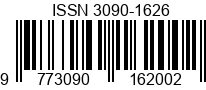
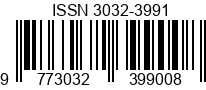
E-ISSN 3032-3991 | P-ISSN 3090-1626
1. Policy Statement

SITEKNIK is committed to maintaining originality, academic integrity, and ethical scholarly publishing. Plagiarism in any form is unacceptable. Authors are responsible for ensuring that submitted manuscripts are original, properly acknowledge the work of others, and do not contain unattributed or misleading reuse of text, ideas, data, figures, images, methods, or other scholarly material.

2. Similarity Screening

Manuscripts may be screened using recognized similarity-detection tools such as Turnitin or iThenticate before or during the editorial process.

Indicative Similarity Threshold: Maximum 20%

The similarity percentage is used as an editorial screening indicator and is not the sole basis for determining plagiarism. Similarity reports are reviewed by the editorial team to assess the nature, location, source, and context of matching material. Properly cited quotations, references, standard terminology, methodological descriptions, and other legitimate similarities may be considered during editorial assessment.

3. Forms of Plagiarism and Unacceptable Text Reuse
  • Direct Plagiarism: Copying text, data, figures, tables, images, or other material without appropriate attribution.
  • Mosaic or Patchwork Plagiarism: Combining copied or closely paraphrased material from multiple sources without adequate citation.
  • Inappropriate Paraphrasing: Rewriting another author's work without proper acknowledgement.
  • Self-Plagiarism or Redundant Publication: Substantial reuse of an author's previously published material without appropriate disclosure, citation, or editorial justification.
  • Data or Figure Misappropriation: Using data, figures, images, tables, or research materials belonging to others without authorization or attribution.
  • Unattributed Translation: Translating previously published work and presenting it as original without proper citation and disclosure.
4. Author Responsibilities
Authors must ensure that all sources are appropriately cited and that previously published material is clearly identified. Authors must not submit manuscripts that substantially duplicate work already published or simultaneously under consideration elsewhere. Where authors reuse their own previously published material, appropriate citation and disclosure must be provided.
5. Editorial Assessment and Actions

When significant similarity or suspected plagiarism is identified, the editorial team will assess the evidence and context before taking action. Authors may be asked to provide clarification or revise the manuscript where appropriate.

  • Before Peer Review: Manuscripts containing inappropriate overlap may be returned for correction or rejected.
  • During Peer Review: The review process may be suspended while concerns are investigated.
  • Before Acceptance: Serious or intentional plagiarism may result in rejection.
  • After Publication: Confirmed plagiarism or substantial inappropriate duplication may result in a correction, expression of concern, retraction, or other appropriate editorial action.

Editorial actions are determined according to the seriousness, extent, intent, and impact of the issue and are handled in accordance with the journal's Publication Ethics policy and recognized publication-ethics principles.

6. Human Editorial Oversight
Automated similarity-detection tools support editorial screening but do not replace human judgment. The final determination of whether plagiarism, inappropriate text reuse, or redundant publication has occurred is made by the editorial team after reviewing the relevant evidence and context.
7. Ethical Framework
SITEKNIK handles plagiarism and publication-integrity concerns in accordance with its Publication Ethics policy and internationally recognized principles of responsible scholarly publishing, including relevant COPE guidance.